- Countryside
- Woodland
- Towns and cities
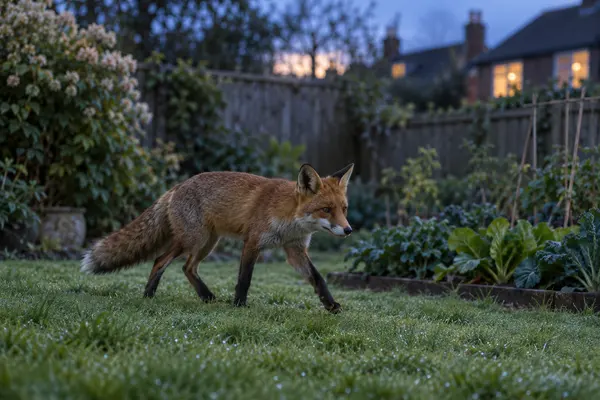
- One adaptable fox
THE WILD FOX
Built for the hunt
A male is 67 to 72 cm long and 6 to 7 kg, plus a tail of around 40 cm. Mice, voles and rabbits are the mainstay of its diet.
More fox facts doodlefox
Updated
BRITISH WILDLIFE, EXPLAINED
Britain’s most familiar wild carnivore lives in fields, woods and back gardens.
Most of us have seen one trot across a road at night or heard one scream in January. Here is what the Mammal Society, the Wildlife Trusts, museums and university researchers say about how red foxes really live, in plain English.
Plain English, with the sources linked.
VULPES vulpes
Open the fox calendar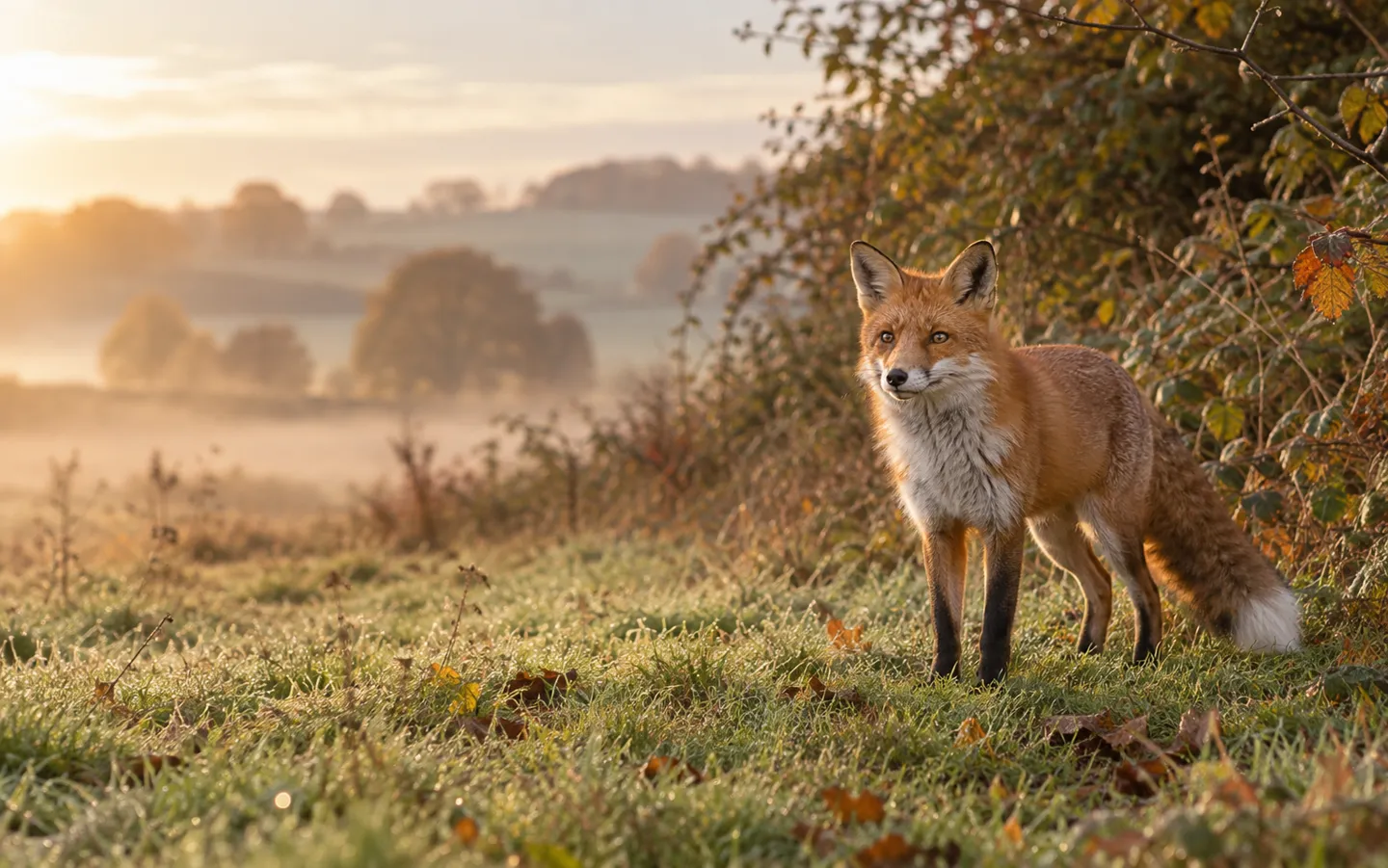
MEET THE FOX
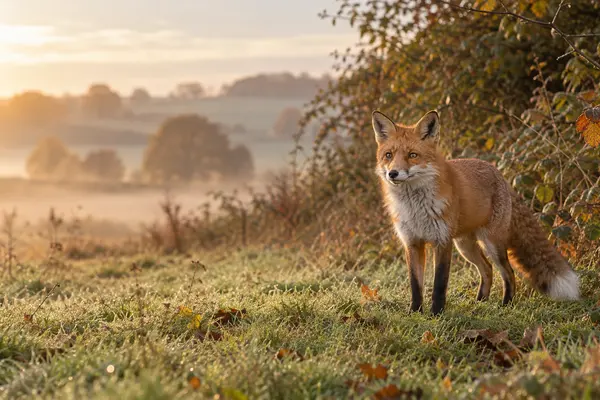
Found across most of Britain,
from upland hills to city gardens.
THE WILD FOX
A male is 67 to 72 cm long and 6 to 7 kg, plus a tail of around 40 cm. Mice, voles and rabbits are the mainstay of its diet.
More fox factsFAMILY LIFE
Most cubs are born in March, four to five to a litter, and come out of the earth in late April or early May.
See the fox yearCITY FOXES
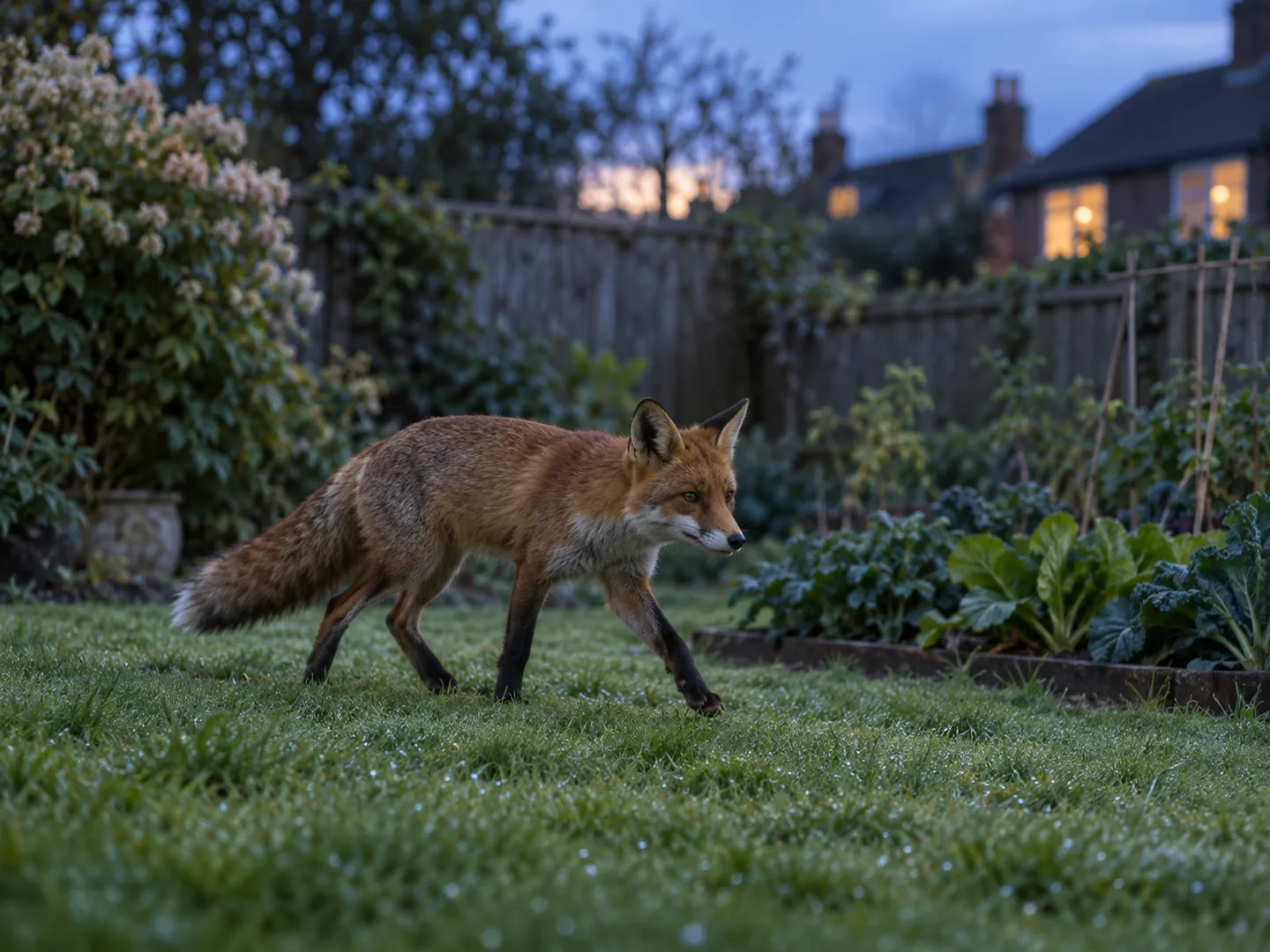
Foxes have lived in southern British towns since the 1930s, and have been reported from 91% of urban areas once thought to hold few or none.
The urban numbersTHE FOX CALENDAR
Pick a time of year to see what is happening in a fox family. The timings come from the Mammal Society and the Natural History Museum.
These are typical timings for Britain. Individual foxes and local conditions vary.
TWO NUMBERS WORTH KNOWING
The same species lives very different lives
depending on where it finds its food.
33,000 to 150,000
Estimated foxes in UK urban areas
The Natural History Museum reports that the number of foxes in urban areas is thought to have grown more than fourfold in just over twenty years. A 2014 survey had sightings from 91% of urban areas once predicted to hold few or no foxes.
URBAN FOXES · 1995 TO 2017
0.2 vs 40 km²
Area a fox family needs
Where food is plentiful, as in towns, a territory can be as small as 0.2 square kilometres. In upland areas where food is scarce, it can stretch to 40 square kilometres.
TERRITORY SIZE
Food explains much of the difference. Rural fox diets are around 95% meat; in towns, meat makes up about half, and household scraps much of the rest.
SPOT ONE
A scream on a winter night is most likely a fox. Screaming peaks in January, at the start of the mating season, usually as a mating call.
Cubs begin leaving the earth in late April or early May. Watch from a distance and leave the den undisturbed.
Foxes can squeeze through a gap of just 12 cm, so check fences and sheds if you would rather they stayed out.
Young foxes leave home from August to December, and road accidents are the commonest cause of fox deaths. Keep an eye out for foxes on the road.

FOX FACTS
Males (dogs) are 67 to 72 cm long without the tail and weigh 6 to 7 kg. Females (vixens) are 62 to 67 cm and 5 to 6 kg. The tail can make up 40% of the total length.
The average wild fox lives one to three years, and road accidents are the most common cause of death. The oldest confirmed wild fox, a tagged Dutch vixen, reached 12.
Foxes live across most of Britain, but not on the Scottish islands apart from Skye and Harris, nor on the Isle of Man, the Isles of Scilly or the Channel Islands.
Dog foxes bark and vixens scream. Most screaming is heard in January as a mating call, but screams can also mark territory, defend cubs and warn off rivals.
A 2020 study led by the University of Glasgow found that London foxes had a smaller braincase and a different snout shape from foxes in the surrounding countryside.
QUICK QUESTIONS
Short answers to the questions people ask most.
How long do red foxes live?
Not long, on average. The Mammal Society gives one to three years as the average lifespan of a wild fox. The oldest confirmed wild fox, an ear-tagged vixen in the Netherlands, died aged 12.
Why do foxes scream at night?
Most screaming happens in January, at the start of the mating season, and is usually a mating call. Screams can also be used to mark territory, defend cubs and threaten rivals.
How many foxes are there in the UK?
Nobody counts them officially. A 2013 Defra report estimated around 430,000 in the UK, and the number living in urban areas is thought to have risen from 33,000 in 1995 to 150,000 in 2017.
What do foxes eat?
Mice, voles and rabbits are the mainstay, along with birds, insects, worms, blackberries and other fruit. Rural diets are around 95% meat; in towns, meat makes up only about half, with household scraps making up the rest.
Do foxes attack cats?
Rarely, going by vets’ records cited by the Mammal Society: out of 10,000 cat admissions, 541 followed fights with other cats and 14 followed run-ins with foxes.
When is the fox breeding season in the UK?
Mating begins in January, when the vixen's scream is heard most. Births peak in mid-March, with an average of four to five cubs, which start leaving the earth in late April or early May.
A NAME WITH A BUSHY TAIL
doodlefox.com is part of the DoodleSale portfolio. It isn't in an auction right now, but you can ask about leasing it.